

The True Cost of a Commercial Coffee Machine: 5 Hidden Expenses Eating Into Your Profits
Mar 09,2026
626
When cafe owners, hoteliers, and office managers shop for a commercial coffee machine, the first thing they look at is the price tag. But focusing solely on upfront cost is a costly mistake. A machine that seems like a “steal” today could end up costing you thousands in hidden expenses over its lifespan—from frequent repairs to lost revenue during downtime.
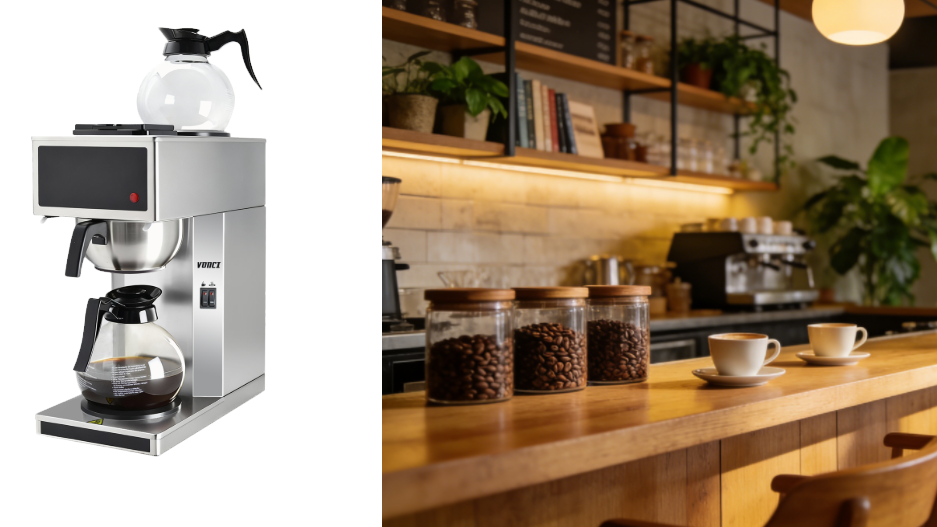
In this guide, we’re pulling back the curtain on the total cost of ownership (TCO) of commercial coffee machines. By understanding these 5 hidden expenses, you’ll be able to make a smarter investment and choose a machine that truly fits your budget and business needs.
1. Maintenance & Repair Costs: The “Pay Later” Trap
Many budget-friendly machines are made with cheap, flimsy components that wear out quickly. What starts as a small leak or a clogged group head can quickly escalate into a major repair bill.
Gaskets & Seals: These rubber parts need to be replaced every 3–6 months on low-quality machines. A single gasket might cost $20, but the labor to replace it (especially during off-hours) can add up to $100 or more.
Boiler Repairs: If a budget machine’s boiler fails (a common issue with thin metal construction), replacing it can cost 50–70% of the machine’s original price.
Emergency Service Calls: When your machine breaks down during peak morning hours, you’ll pay a premium for a technician to come out immediately—often double or triple the standard rate.
The Solution: Invest in a machine with high-quality, durable components. Our commercial coffee machines use stainless steel boilers and heavy-duty gaskets that only need replacement every 12–18 months, drastically cutting down on maintenance costs.
2. Downtime & Lost Revenue: The Most Expensive Hidden Cost
A broken coffee machine doesn’t just mean a repair bill—it means lost sales. For a busy cafe, a single hour of downtime during the morning rush can cost hundreds of dollars in lost revenue.
Example: A cafe selling 50 coffee drinks per hour at $5 each loses $250 for every hour their machine is out of service. If a cheap machine breaks down 3 times a year for 4 hours each, that’s $3,000 in lost revenue—before you even pay for repairs.
Brand Reputation: Customers who are turned away due to a broken machine are unlikely to return, damaging your long-term revenue.
The Solution: Choose a machine with a proven track record of reliability. Our commercial espresso machines are built to handle high-volume use with minimal downtime, so you can focus on serving customers, not fixing equipment.
3. Energy Consumption: The Monthly Bill You Didn’t See Coming
Commercial coffee machines are power-hungry, and the difference in energy efficiency between models can be staggering. A machine that uses 20% more electricity can add hundreds of dollars to your utility bills over a year.
Boiler Size & Insulation: Machines with large, poorly insulated boilers waste a lot of energy keeping water hot 24/7.
Standby Mode: Some budget machines don’t have an energy-saving standby mode, meaning they consume full power even when not in use.
The Solution: Look for machines with energy-efficient boilers and smart power management features. Our commercial coffee machines are designed to use up to 30% less energy than comparable models, saving you money on your monthly utility bills.
4. Consumables & Water Quality: The Cost of Bad Coffee
The quality of your coffee depends on more than just the beans—it depends on the water you use. Hard water (high in minerals) can cause scale buildup in your machine, leading to poor performance and expensive repairs. It also makes your coffee taste bitter and flat.
Water Filters: To protect your machine and improve coffee quality, you’ll need to invest in a water filtration system. Cheap filters need to be replaced every 1–2 months, while high-quality filters can last 6–12 months.
Cleaning Chemicals: Budget machines require more frequent deep cleaning with specialized chemicals, which can add up over time.
The Solution: Our commercial coffee machines come with built-in water filtration systems and self-cleaning cycles, reducing the need for frequent filter replacements and chemical cleanings. This not only saves you money but also ensures your coffee always tastes great.
5. Resale Value: The Forgotten Asset
When you’re ready to upgrade your machine, its resale value can offset a significant portion of the cost of a new one. But budget machines depreciate rapidly and are hard to sell, while high-quality, well-maintained machines hold their value much better.
Example: A $5,000 high-quality machine might sell for $2,500 after 5 years, while a $2,000 budget machine might only sell for $300—if you can find a buyer at all.
The Solution: Invest in a reputable brand with a strong resale market. Our commercial coffee machines are known for their durability and reliability, making them highly sought after on the used market.
How to Calculate the Total Cost of Ownership (TCO) of Your Coffee Machine
To get a clear picture of the true cost of your machine, use this simple formula:
TCO = (Purchase Price + Installation + Maintenance + Repairs + Energy + Consumables) – Resale Value
Let’s compare two machines over a 5-year lifespan:
| Cost Category | Budget Machine ($2,000) | Premium Machine ($5,000) |
|---|---|---|
| Purchase Price | $2,000 | $5,000 |
| Maintenance/Repairs | $3,000 | $1,000 |
| Lost Revenue | $3,000 | $500 |
| Energy Costs | $2,500 | $1,750 |
| Consumables | $1,500 | $750 |
| Total Cost | $12,000 | $8,999 |
| Resale Value | $300 | $2,500 |
| Net TCO | $11,700 | $6,499 |
As you can see, the “cheap” machine ends up costing nearly twice as much over 5 years when you factor in all the hidden expenses.
Conclusion: Invest in Value, Not Just Price
When shopping for a commercial coffee machine, it’s essential to look beyond the price tag and consider the total cost of ownership. A machine that costs more upfront can save you thousands of dollars in hidden expenses over its lifespan—while delivering better coffee, happier customers, and a more profitable business.
At [Your Brand], we design our commercial coffee machines to minimize TCO and maximize ROI. From durable components to energy-efficient design, every feature is engineered to help you run a more successful and profitable coffee business.